
 Deutsch
 Español
 Français
 Italiano
 简体中文
简体中文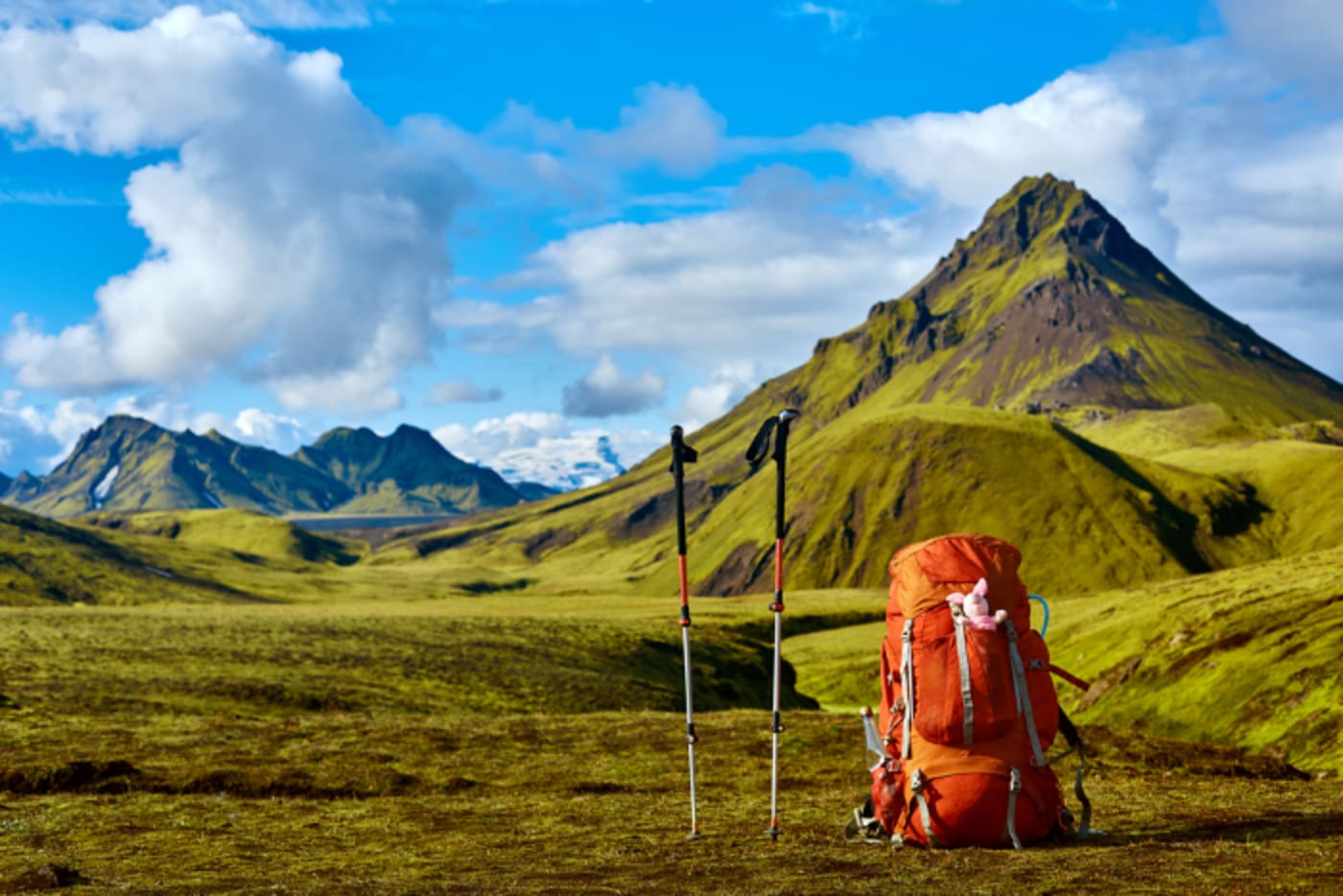
Quick summary
You’ll discover how to navigate Iceland’s volatile highlands by mastering a versatile, three-layer clothing system that keeps you warm and dry in any weather. This guide also identifies essential gear, including high-performance footwear and trekking poles, to ensure you are fully prepared for the rugged terrain and unpredictable elements of Landmannalaugar.
Mastering the Highlands: Your Essential Landmannalaugar Packing Guide
Hiking in Landmannalaugar is an awe-inspiring journey through Iceland’s geothermal heart, but the region’s volatile weather demands respect and preparation. Whether you are navigating neon-colored rhyolite mountains or trekking across ancient lava fields, your comfort depends entirely on your gear. By mastering the art of layering and choosing technical fabrics over casual attire, you transform a potentially challenging trek into an unforgettable highlands adventure.
Our expert team at Landmannalaugar Tours knows that the secret to a successful expedition lies in versatility. Iceland’s climate can shift from brilliant sunshine to driving rain in minutes, meaning your clothing must be as dynamic as the landscape itself. Use this guide to curate your pack with high-performance essentials that keep you warm, dry, and ready for whatever the Arctic elements throw your way.

The Golden Rule: The Layering System
In the Icelandic highlands, layering is not just a suggestion—it is a survival strategy. During the spring and summer, a three-layer system is your baseline, while winter excursions require an additional insulation layer. This approach allows you to regulate your body temperature on the fly; shed a layer as you climb a steep ridge to prevent overheating, and pull it back on the moment the wind picks up at the summit.

1. The Base Layer: Your Second Skin
The base layer is your most critical defense. Choose synthetic fabrics like polypropylene or high-quality merino wool that actively wick sweat away from your skin. Avoid cotton at all costs; it absorbs moisture, stays damp, and will rapidly chill your body as you move. A well-fitted base layer retains your core heat while keeping you dry throughout the most strenuous ascents.

2. The Mid-Layer: Thermal Regulation
Your mid-layer traps warmth while allowing moisture to escape. Fleece jackets or wool sweaters—like the iconic Icelandic Lopapeysa—are perfect here. Aim for a slightly looser fit to ensure maximum comfort and range of motion. This layer works in harmony with your base layer to create a thermal pocket, keeping you cozy even when the highland breeze begins to bite.

3. The Insulation Layer: Your Heat Shield
When the temperature drops, your insulation layer becomes your best friend. Synthetic fills are superior to down in the highlands because they retain their thermal properties even if they get damp. If you opt for down, ensure the jacket features a waterproof shell, as Iceland’s frequent rain can quickly compromise standard down feathers, leaving you cold and heavy.

4. The Shell Layer: The Ultimate Barrier
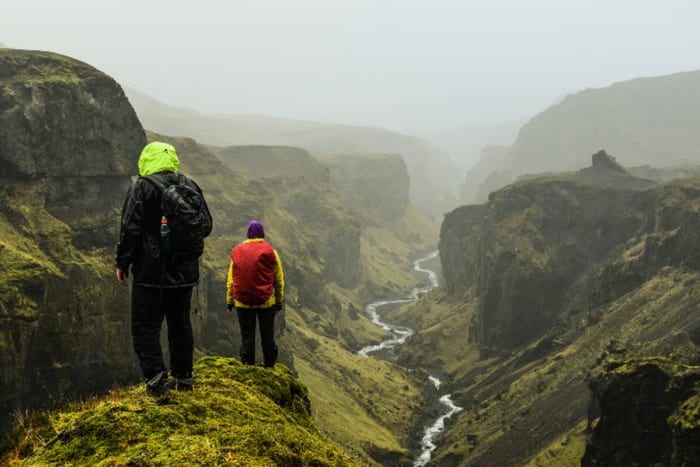
Your outer layer is your final line of defense against the unpredictable Icelandic climate. Invest in a high-quality, fully waterproof and windproof jacket. This shell must be durable enough to withstand sharp volcanic rock and heavy gusts. A robust shell keeps you dry during sudden downpours, allowing you to focus on the stunning caldera views rather than the weather.
Essential Gear for Summer Treks
Summer in Landmannalaugar offers endless daylight, but it still requires a disciplined packing list. Prioritize high-quality, broken-in waterproof hiking boots with superior ankle support to navigate the uneven, rocky terrain safely. Pair these with moisture-wicking, breathable trekking pants—never jeans—to ensure you remain comfortable during long hours on the trail.
Don’t underestimate the power of trekking poles; they distribute weight away from your knees and provide vital stability on loose scree slopes. Carry a reusable water bottle to take advantage of Iceland’s pure, drinkable glacial streams. Finally, if you are visiting during the Midnight Sun, pack a high-quality eye mask to ensure you get the rest you need to conquer the trails the following day.
Winter Expeditions and Cold Weather Additions
Visiting between October and April requires a shift in strategy. While Iceland’s winters are not as extreme as the North Pole, they are harsh enough to require extra care. Pack a warm sleeping bag if you are staying in mountain huts or traveling by campervan. Ensure your mid-layer is thicker, and always pack waterproof gloves and a thermal hat to prevent heat loss through your extremities.
No trip to Landmannalaugar is complete without a soak in the natural hot springs, so a swimsuit and flip-flops are non-negotiable year-round. While it may be tempting to save money on gear, remember that your equipment is your primary support system in the wilderness. Invest in quality, and you will find yourself enjoying the raw, untamed beauty of the highlands with total confidence.